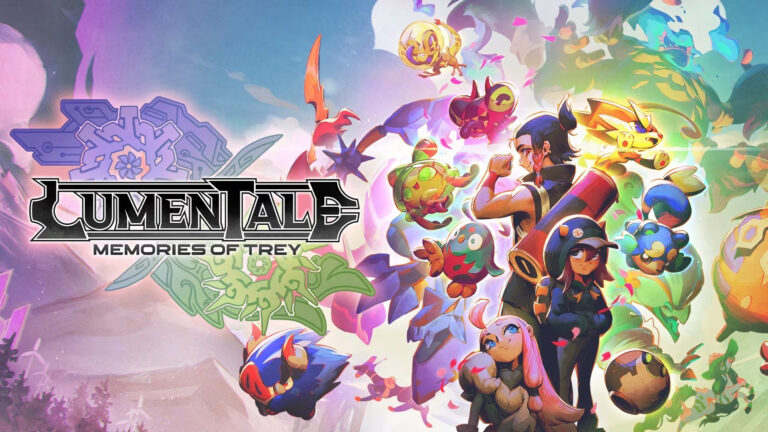
Every so often, a game comes along that makes you realise how much Pokémon has been resting on its laurels. LumenTale: Memories of Trey, from Italian developer Beehive Studios, is the strongest case yet that the creature-collecting genre has a bright future — one that doesn’t need Game Freak’s blessing to succeed. It’s not flawless, but in the ways that count, it’s a direct and meaningful upgrade to the formula Nintendo has let sit idle for years.
Combat That Demands Strategy
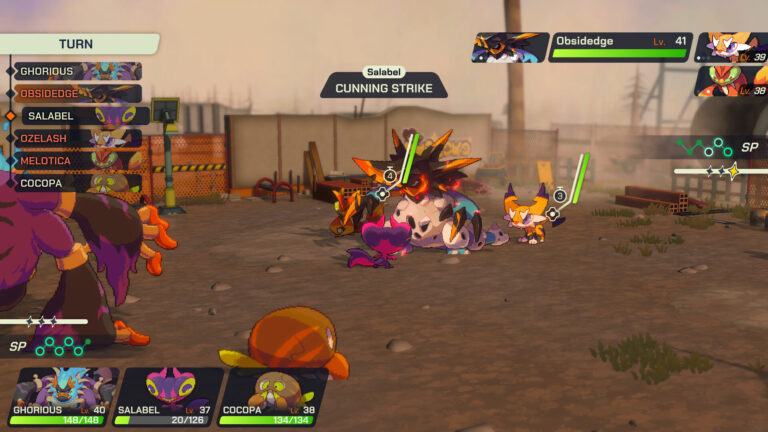
The biggest win for LumenTale is its combat. While Pokémon sticks to one-on-one or, at best, two-on-two battles that usually boil down to “use your strongest move until it’s over,” LumenTale pits four Animon against four in every fight. The added depth is striking. Suddenly, positioning, coverage, and turn order actually matter in ways they never did in Pokémon‘s increasingly bloated yet oddly shallow systems. You can’t just lean on your ace; the whole team has to pull its weight.
What makes this even more engaging is the shared SP pool. Instead of each monster having its own separate PP or equivalent, the whole party draws from one collective resource for abilities. This single design choice wipes out entire categories of mindless play. You’re always weighing whether spending SP now is worth the risk of what’s coming in a couple of turns. It adds real tension to every round and makes you feel like a strategist rather than just mashing buttons. Pokémon has never made me think this hard about resource management, and it’s almost embarrassing how much this one mechanic elevates the entire experience.
A World Worth Exploring
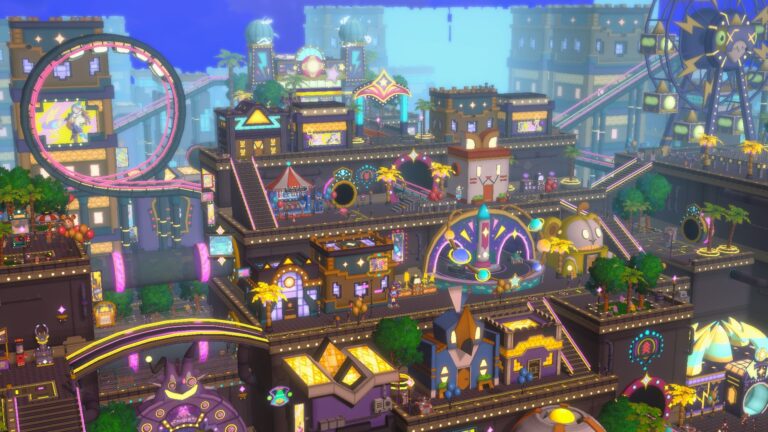
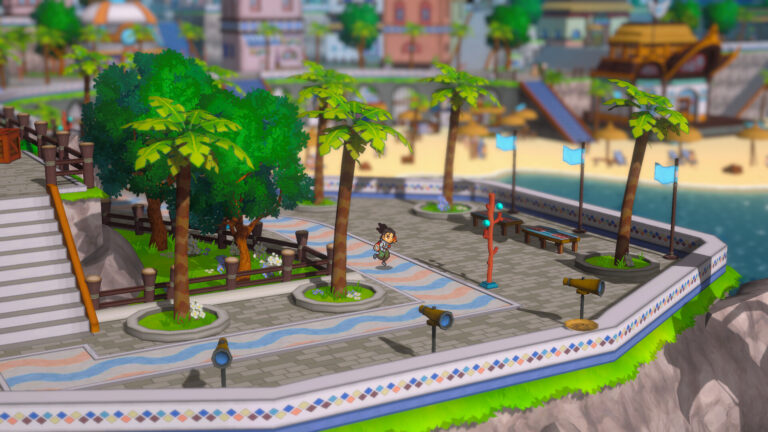
The world of Talea and Trey’s story truly deserves recognition. Sure, the setup is familiar: an amnesiac hero, a land divided by an age-old conflict, a shadowy organisation lurking behind the scenes, and creatures called Animon bonded to human partners known as Lumen. At a glance, it might seem like a page taken straight from Pokémon Black/White, but Beehive Studios has reworked it into something uniquely their own.
Trey’s quest to recover his memories gives the story a personal touch Pokémon‘s silent protagonists never offered. The lore — a continent split between the sons of a fallen emperor, with Animon woven deep into its culture — feels thoughtfully crafted. It’s more than just a backdrop for battles; it earns every bit of its runtime.
Difficulty and Progression – A Mixed Bag
Like most modern games, there’s a difficulty slider, and it’s about as pointless as you’d expect. Sure, you can crank it up or tone it down, but there’s no real reason to bother: no special rewards, no alternate endings, not even a nod for playing on a tougher setting. For challenge-seekers, it’s something, but barely. It feels like a late-game afterthought, stripped of any bite. A good system should make greater difficulties feel like a whole new experience — unique loot, exclusive boss moves, something to make it worth it. Instead, it’s just a number change and a shrug, which stings all the more in a game that’s otherwise so well-crafted.
The leveling system feels a bit off, but in the opposite way of most games — it’s almost too easy. Monsters gain levels quickly as long as you keep moving forward, which sounds fine but removes the satisfying grind of building a team over time. To make things even easier, you can toss your yoyo at weaker enemies for an instant kill and free experience, letting you power-level underleveled monsters with no real effort. Recycling unwanted materials also gives free EXP, further diminishing any sense of accomplishment. Pokémon, for all its flaws, at least made you feel like you earned your team, while LumenTale‘s approach makes progression feel a bit hollow.
A Missed Opportunity for Customisation
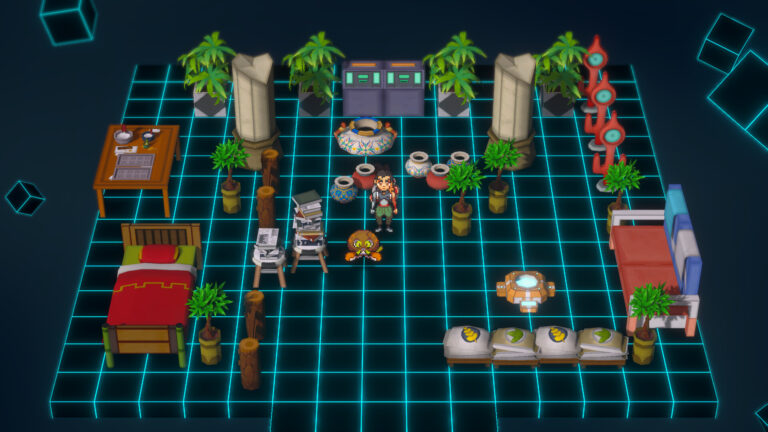
One last personal gripe: Trey makes for a solid protagonist — genuinely endearing with his mix of sarcasm and mystery. But in a world this stunningly crafted, with its unique regions, rich lore, and expressive Animon designs, not having the option to create your own hero feels like a missed chance. The magic of early Pokémon came from seeing yourself in the adventure, and by locking players into a set character, no matter how likable, it creates a bit of distance from a world begging for total immersion.
✅ What Works
- Deep, strategic 4v4 combat system
- Shared SP pool adds real resource management
- Rich lore and engaging world-building
- Expressive Animon designs
- Strong, character-driven story
❌ What Doesn’t
- Pointless difficulty slider with no rewards
- Leveling feels too easy and unearned
- No character creator
- Some progression systems feel hollow
Verdict
Minor flaws aside, LumenTale: Memories of Trey is very fun and feels like the real deal. Its combat is sharper, deeper, and more satisfying than most of what Pokémon has offered in years. The world feels alive, and the story gives you a reason to care.
The rough edges are there, but they’re the kind that come from genuine ambition — far more compelling than the polished mediocrity the genre’s top franchise has settled into. If this is what Beehive Studios can do on their first try, the sequel could be something truly special.