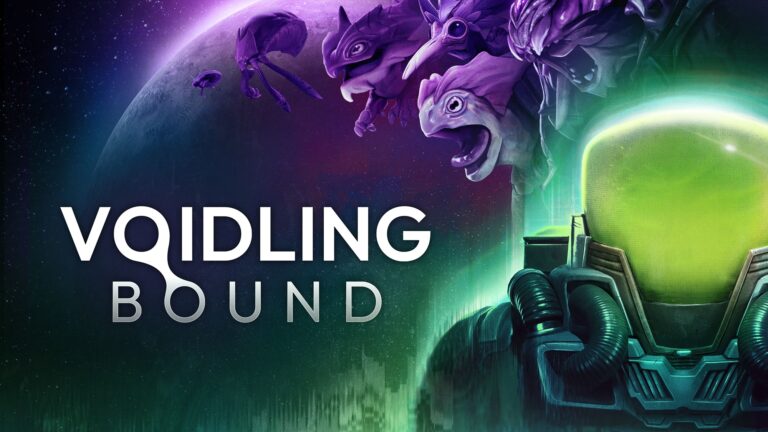
Voidling Bound aims to be the monster-collecting genre’s answer to a third-person action shooter — and for the most part, it achieves this fusion better than expected. The storyline serves more as a backdrop than the main attraction: you play as a Space Wrangler, sent to corrupted planets to “cleanse” them of a parasitic infection while forming bonds with native creatures called Voidlings to aid you in battle.
There is a vague but functional narrative about restoring affected biomes and uncovering the source of the corruption, but players aren’t engaging with this game for its story. It primarily exists to take you from cutscene to combat arena as quickly as possible, and it mostly succeeds in keeping distractions to a minimum.
Overview
-
Developer: Hatchery Games
-
Publisher: Hatchery Games
-
Platforms: Windows (reviewed), PlayStation 5, Xbox Series X|S, Nintendo Switch 2
-
Release Date: June 9, 2026
-
Price: $24.99
A New Take on an Old Formula
The key aspect of any game is its loop, and it’s interesting to compare Voidling Bound to Pokémon — the influence is evident while the differences add depth. In Pokémon, the gameplay revolves around catching creatures, boxing them, swapping teams in and out, and engaging in turn-based combat through menu selections.
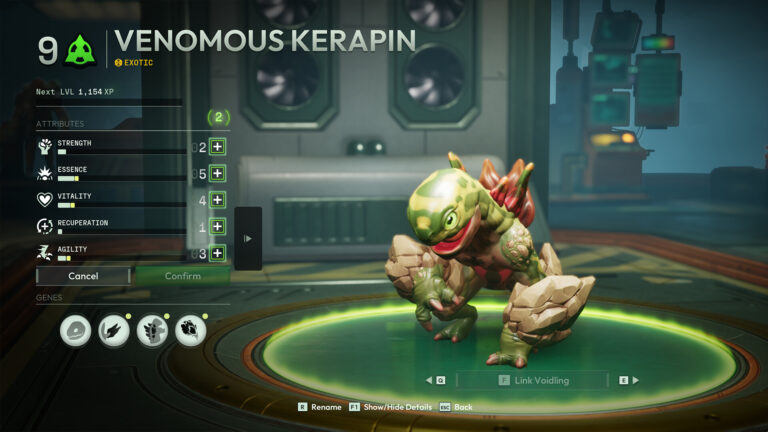
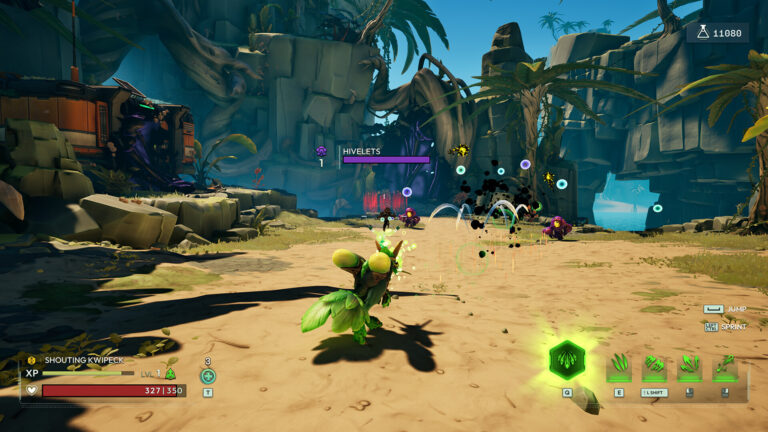
Voidling Bound completely shifts this approach: players take direct control of their creatures in real-time combat, engaging in actions like shooting, slashing, dashing, and using ultimate abilities. The focus is less on “gotta catch ’em all” and more on “gotta hatch and graft ’em all,” emphasizing collection through rescuing and hatching eggs rather than weakening and capturing creatures with Poké Balls.
The Mutation System – A Strong Foundation
Instead of Pokémon‘s static type chart, Voidling Bound features attribute points and branching evolution paths. The mutation system is perhaps the game’s strongest idea: applying an elemental mutagen to a Voidling not only changes its color but also visibly alters its body, moveset, and matchup capabilities. This system offers a more intuitive and dynamic approach to creature types compared to the standard fire/water/grass triangle found in Pokémon.
The Roster Problem
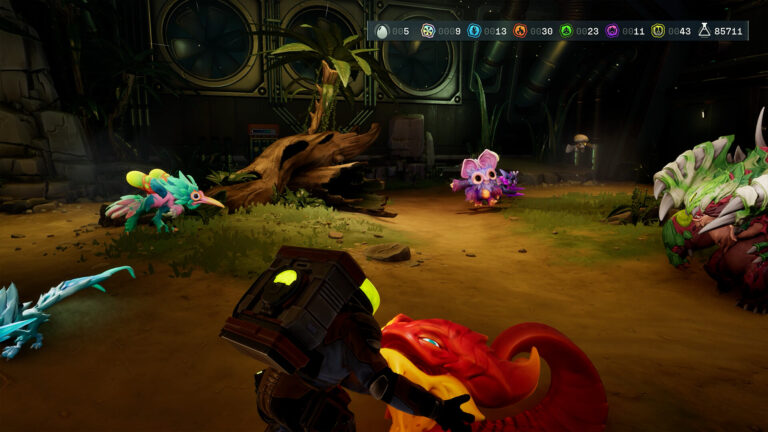
The issue lies with the roster that supports the game. Despite the marketing promise of numerous evolutionary outcomes, the actual pool of base species is limited to just eight root creatures. This is insufficient for a game that claims to offer variety.
The mutation system often feels like it’s compensating for a lack of depth in the core collection rather than enhancing an already rich experience. While the branching paths create different appearances and gameplay styles for each of the eight creatures, players will notice the same basic silhouettes much sooner than anticipated.
The Difficulty System – A Design Misstep
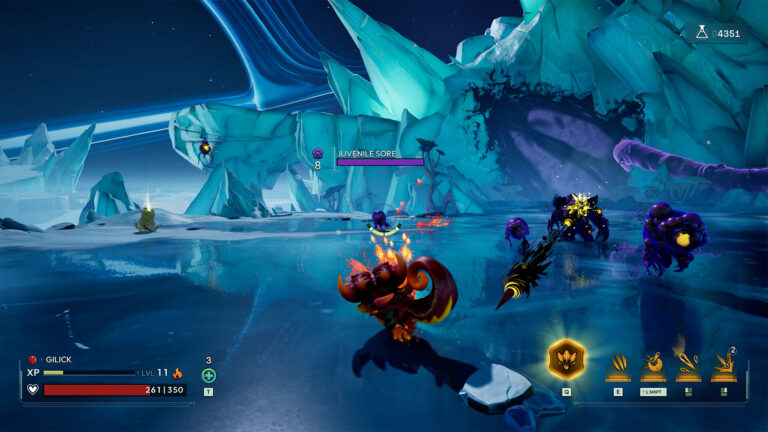
The real disappointment isn’t the character roster — it’s the difficulty system, which undermines the game’s design philosophy. Players can freely toggle the difficulty at any time, with no scaling rewards, penalties, or any lasting record of which setting they actually used.
Grinding through a challenging boss on the hardest difficulty provides the same loot, research points, and progression as easily defeating it on the easiest setting. There are no badges, save flags, or achievements that signify that you accomplished a clean victory rather than trivializing the encounter.
This design flaw diminishes the stakes of every other system in the game: leveling, breeding, mutation-hunting — all of it begins to feel like optional busywork once you realize that the difficulty slider was never a true commitment.
Verdict
Voidling Bound cleverly reinvents the creature-collector formula in combat, but is hampered by a limited species count and a difficulty system that demands nothing from you while offering little reward for pushing yourself.
It’s a game with a great idea at its core, but one that hasn’t fully committed to its own vision. For $25, it’s worth a look if you’re curious — but don’t expect the depth of a Pokémon killer.